
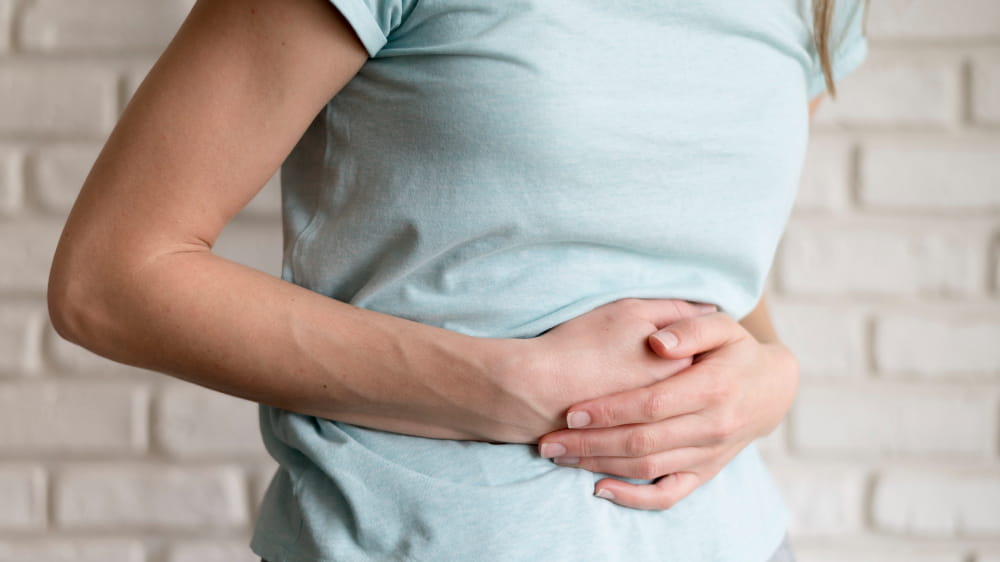
Do you often feel uncomfortably full, bloated, and gassy after you eat? This uncomfortable feeling is known as bloating. When your stomach is bloated, it can make you feel sluggish, restless, and unproductive. But don’t worry, there are simple ways to reduce bloating that don’t require major lifestyle changes.
Today, I’ll share with you some beginner-friendly tips to help you reduce bloating and feel better in your daily life.
What Causes Bloating?
Have you ever wondered what’s causing your stomach to feel puffy and tight? There are several common reasons for feeling bloated. Some of these include:
- Eating too quickly
- Swallowing extra air
- Sudden fiber increase
- Skipping daily movement
- Late-night heavy meals
- Stress and anxiety
- Processed snack choices
- Dehydration
- Food intolerances
- Hormonal changes
You might notice that one or more of these habits are part of your daily routine. So it’s important to identify the root cause of your bloating to address it effectively.
Simple Ways to Reduce Bloating for Beginners
As you can see, many different factors can contribute to feeling bloated. But don’t worry, there are many simple and practical ways to reduce bloating and support your digestive health.
1. Slow Down at Mealtime
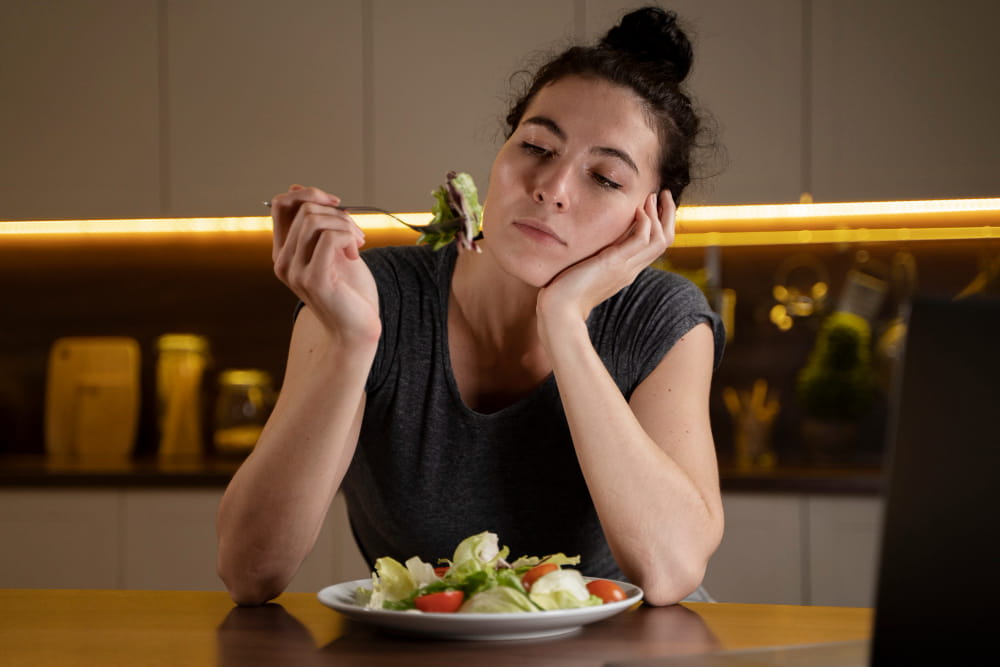
The first simple way to begin is to slow down while you eat. When you eat too quickly, you are more likely to swallow excess air. This reason alone can lead to feeling bloated. Yes, swallowed air moves through your digestive system and gets trapped there.
So when you eat, take the time to appreciate each bite and chew each food properly. Slowing down at mealtime not only helps reduce bloating but also supports mindful eating and better digestion. This way, your body has a better chance of recognizing hunger and fullness signals.
Remember that finishing your meal isn’t a race. Don’t forget to give yourself at least 20 to 30 minutes to finish each meal.
2. Stay Hydrated Throughout the Day

If you often feel bloated, it’s a good idea to monitor your daily water intake. Hydration plays a key role in controlling bloating. When you’re dehydrated, your body tends to hold on to water to protect itself, which can lead to bloating.
On the other hand, drinking enough water helps flush out extra salt and waste from your system, which can ease that puffy feeling. Carrying a reusable water bottle with you reminds you to take regular sips. Make sure to drink a little before and between each meal.
If you sometimes find it difficult to drink plain water, try adding lemon slices, mint, berries, or orange to your water for some flavor. Staying hydrated also keeps your energy up and helps your body work at its best.
Read More: How to Know if Your Body Needs More Water
3. Add Gentle Movement Each Day

Another simple way to reduce bloating for beginners is to include gentle movement in your routine. Incorporating light exercise daily is not only a great way to support your physical health, but it can also help reduce bloating.
When you feel bloated, it’s often a sign that your digestion is slow and stagnant. But by getting your body moving, you can help stimulate your digestion and relieve that uncomfortable feeling.
Some gentle exercises that can help reduce bloating include:
- Walking
- Yoga
- Pilates
- Cycling
- Swimming
- Dancing
If you’re new to movement, you don’t need to push yourself to do intense exercises. Start with something simple, like taking a walk around your neighborhood or office building during lunchtime. After a meal, opt for gentle stretching or yoga poses to aid in digestion.
Not only will these exercises help reduce bloating, but they will also leave you feeling more energized and improve your overall mood. So if you’re feeling bloated, make these simple low-intensity exercises part of your routine to help ease the discomfort.
4. Choose Fiber-Rich Foods with Care
Fiber is important for a healthy diet and digestive system. However, if you are struggling with bloating, it is wise to be mindful of how much and what type of fiber you are consuming. Yes, eating too much of certain high-fiber foods can actually make bloating worse. But don’t worry, you can still incorporate fiber into your diet in a way that won’t cause discomfort.
Best Fiber Foods for Bloating Relief
- Bananas
- Avocados
- Quinoa
- Oatmeal
- Raspberries, Blackberries
- Sweet Potatoes
- Chia Seeds/Flaxseeds
These foods are excellent choices because they contain soluble fiber. Soluble fiber is easier for the body to digest and can help regulate bowel movements. So with anti-inflammatory properties, these fiber-rich food options can help reduce bloating and discomfort.
Some high-fiber foods to avoid when you have bloating:
- Baked beans
- Broccoli
- Cabbage
- Brussels Sprouts
- Cauliflower rice
- Raw onions
- Garlic cloves
Although these foods are generally healthy, their high fiber content can cause bloating and gas for some people. If you notice that any of these foods leave you feeling uncomfortable, try limiting them. That way, you can create a balanced diet that fits your personal needs.
5. Limit Processed Foods

A common culprit of bloating is processed food. Chips, cookies, deli meats, and packaged snacks often contain high amounts of sodium, which can absorb water and make you feel bloated. Processed foods also contain sugar and preservatives, which can worsen bloating.
Related Reading: How to Reduce Sugar in Your Diet Naturally
On the other hand, meals made from fresh ingredients have naturally lower sodium and no hidden additives. Therefore, reducing your intake of processed foods can not only help reduce bloating but also improve your overall health.
Alternatives to common processed snacks include:
- Fresh fruit slices
- Greek yogurt cups
- Unsalted nuts
- Hummus with veggies
- Air-popped popcorn
- Hard-boiled eggs
- Homemade trail mix
6. Manage Stress and Relax
Did you know that stress can be a major reason why you feel bloated? This is because stress can cause digestive issues and alter your gut microbiome. Managing stress and finding ways to relax can not only help reduce bloating but also improve your well-being.
You don’t need to spend many hours meditating or doing yoga to de-stress. Even if you spend just a few minutes each day doing stress-relieving activities, you can see improvements in your digestion and overall health.
Some simple ways to manage stress and relax in your daily life:
- Deep breathing practice
- Listen to calming music
- Gentle stretching breaks
- Short nature walks
- Journaling your thoughts
- Mindful sipping of tea
- Taking screen breaks
- Quick guided meditation
Quick Lifestyle Habits for a Bloated-Free Day
Small habits every day can help you feel lighter and avoid digestive discomfort. Few ways you can get started today:
- Take deep breaths before meals
- Sit upright while eating
- Avoid chewing gum too often
- Go for a short walk after eating your meals
- Don’t eat right before bed
- Limit alcohol and caffeine
- Avoid rushing through your meals or multitasking while you eat
My Experience
I remember that I used to struggle with bloating almost every week. It was a constant source of discomfort that made it difficult for me to feel my best. But making a few small adjustments to my habits helped me a lot.
I began by keeping a simple food diary, drinking more water, and adding gentle walks to my daily routine. These small changes made a big difference in reducing bloating and improving my energy levels.
The journey taught me that managing bloating is about creating a balanced lifestyle rather than looking for a quick solution. Listening to my body and making mindful choices has been key in my bloating management journey.
Conclusion
Bloating can be uncomfortable and severely affect our daily lives. But with simple changes in our eating habits, lifestyle, and mindset, we can reduce bloating and improve our overall health.
All of the tips I mentioned are easy to follow, and with consistency, you can provide long-term benefits. However, if bloating continues to be a problem despite these changes, then speak with a healthcare provider to get advice tailored to your specific needs.
Frequently Asked Questions
Can certain foods make bloating worse?
Yes, certain foods are known to cause more gas and bloating in some people. These often include beans, raw onions, cruciferous vegetables like broccoli and cauliflower, or greasy foods.
Could persistent bloating indicate an underlying health issue?
In most cases, occasional bloating is a normal part of digestion and usually isn’t a cause for concern. But if you notice that your bloating is persistent or comes with other symptoms like:
- Severe pain
- Unexplained weight loss
- Changes in your bathroom habits
It is a wise decision to speak with a healthcare professional to ensure that there is no more serious health problem.
How long does it take to see improvement once I start making changes?
Many people notice a difference within a few days to a week after adopting these simple habits. However, remember that everybody is unique, so it might take a bit longer for some to see improvements.
Related Reading: The Amazing Benefits of Drinking Herbal Teas for Your Wellness
